
- Time Machine For Macbook Air
- Time Machine Backup Mac
- Time Machine For Macbook
- Reformatting Time Machine For Mac
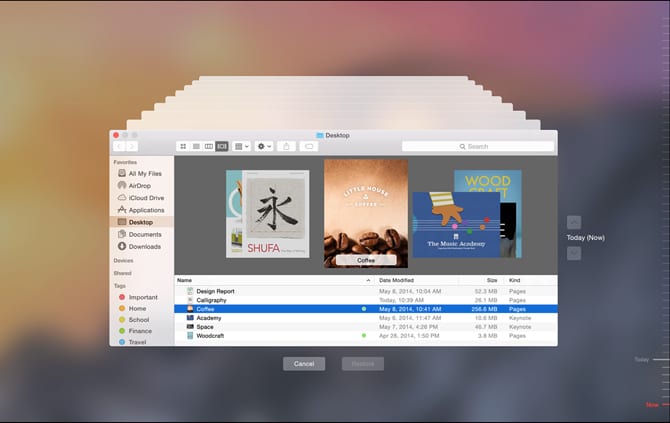
- Time Machine for Mac. Time Machine for Mac. Free Jon Brown Designs Mac/OS X 10.4 PPC Version 2.0 Full Specs. Download Now Secure Download. Publisher's Description. From Jon Brown Designs.
- Time Machine is a backup software application distributed as part of macOS, desktop operating system developed by Apple.The software is designed to work with AirPort Time Capsule, the Wi-Fi router with built-in hard disk, as well as other internal and external disk drives.It was introduced in Mac OS X Leopard.
- Learn how to set up Time Machine on an external storage device to back up your Mac. To learn more about this topic visit the following article: How to use Ti.
- Having a recent Time Machine backup of your Mac will dig you out of a hole if anything happens to your Mac. If you have to get it repaired or reset back to its factory settings. Or the worst of the worst your MacBook is stolen. At least you’ve not lost all your files. You can get back to where you were by restoring your Mac’s Time Machine Backup.
If you used Time Machine to create a backup of your Mac, you can restore your files from that backup or a local snapshot on your startup disk. You might want to restore your files after the originals were deleted from your Mac, or the hard disk (or SSD) in your Mac was erased or replaced, such as during a repair.
Restore from a Time Machine backup
When you restore from a Time Machine backup, you can choose to restore all your files, or restore both the Mac operating system (macOS) and all your files.
Dropbox may not be like your traditional backup software, but it is a great place to save.
Restore all your files
- Make sure that your Time Machine backup disk is connected to your Mac and turned on. Then turn on your Mac.
- Open Migration Assistant, which in the Utilities folder of your Applications folder.
- If your Mac starts up to a setup assistant, which asks for details like your country, keyboard, and network, just continue to the next step. The setup assistant includes a migration assistant.
- If your Mac doesn't start up all the way, or you also want to restore the macOS you were using when you created the backup, follow the steps to restore both macOS and your files.
- When you're asked how you want to transfer your information, select the option to transfer from a Mac, Time Machine backup, or startup disk. Then click Continue.
- Select your Time Machine backup, then click Continue.
- If you're asked to choose from a list of backups organized by date and time, choose a backup and click Continue.
- Select the information to transfer, then click Continue to start the transfer. This screen might look different on your Mac:
- If you have a lot of content, the transfer might take several hours to finish. When the transfer is complete, restart your Mac and log in to the migrated account to see its files.
Restore both macOS and your files
These steps erase your hard disk, then use your backup to restore both your files and the specific version of macOS you were using when you created the backup.
- Make sure that your Time Machine backup disk is connected and turned on.
If your backup disk isn't available, keep going: You might be able to restore from a local snapshot on your startup disk. - Turn on your Mac, then immediately press and hold Command (⌘)-R to start up from macOS Recovery. Release the keys when you see the Apple logo or spinning globe.
- When you see the macOS Utilities window, choose the option to restore from a Time Machine Backup.
- Click Continue until you're asked to select a restore source, then select your Time Machine backup disk. Or select your startup disk (Macintosh HD), which might have a local snapshot you can restore from.
- Click Continue. If your disk is encrypted, you're asked to unlock the disk: Enter the administrator password you used when setting up Time Machine, then click Continue again.
- Select a backup, if available, then click Continue.
- Select a destination disk, which will receive the contents of your backup. If restoring from a local snapshot, you aren't asked to select a destination.
- Click Restore or Continue. If your Mac has FileVault turned on, you're asked to enter your administrator password to unlock the disk.
- When done, restart your Mac.
Restore specific files
Learn how to use Time Machine to restore specific files, including older versions of your files.
Learn more
- What to do if you can't restore with Time Machine. If you need help, contact Apple Support.
Get an ultimate backup app
It’s important to back your Mac up. Not only does it help create a backup of files and folders, backups provide a place you can reboot to if your Mac stops working, or you get a new Mac.
Time Machine is Apple’s method for backing your Mac up, and it’s a solid choice. It’s reliable, fairly easy to use, and can keep your Mac backed up on a routine schedule. Here, we’ll show you how to use Apple Time Machine, and showcase a few apps that you might prefer to Apple’s Time Machine.
What is Time Machine?
Time Machine is a service from Apple to backup your Mac. It creates a simple “image” or “snapshot” of your Mac, which simply means a compressed file containing everything on your Mac at the time of the backup that you can revert to when needed. Time Machine backups can also be used when you need to boot a new device, or refresh your Mac after returning it to factory settings.
Apple’s Time Machine is meant to run in the background, offering a simple, straightforward way to back your Mac up. When activated, it will periodically back your Mac up, keeping the last few versions in case you need to revert to a backup from a few weeks ago.
Most will use Time Machine when booting new Macs. On startup, a new Mac asks if you want to start fresh, or boot from a backup. Using Time Machine backups will make you feel like you picked up where you left off. Like most services Apple creates, Time Machine is in both your System Preferences menu and is available as an app for the Mac.
How to use Time Machine on Mac
For most of us, knowing how to use Time Machine means knowing how to activate it. Because it typically runs in the background, the service isn’t something you need to access often to create backups. But we’ll cover Time Machine to restore Mac computers, to backup your Mac, and how to use Time Machine to restore files as well.
Setting up Time Machine
Setting Time Machine up is really simple. Here’s how:
- From your Mac’s menu bar, select the Apple logo on the left side
- Select “System Preferences” from the drop-down menu
- Select “Time Machine”
Note: These directions will show you how to use Time Machine to set up automatic backups.
- Select “Automatic Backups” on the left side of the Time Machine window
- Choose the disk you want to use to store your backups
That’s all you need to do. Once you complete these steps. Time Machine will begin creating a backup to the disk you’ve designated on a schedule. Unfortunately, you’re unable to manage this schedule yourself.
Using Time Machine with an Apple AirPort Time Capsule
Apple used to make routers, and one of their best was the AirPort Time Capsule. You can still find Time Capsules for sale, and if you can source one, we highly recommend it. Not only are they excellent routers, the AirPort Time Capsule works perfectly with Time Machine.
Knowing how to use Time Machine with an AirPort Time Capsule is the same as knowing how to use Time Machine with external hard drive. The Time Capsule has a one or two terabyte hard drive inside it, making it both a router and external drive for Time Machine backups. As you see in the screenshot above, our Time Machine is backing up to a Time Capsule!
All you have to do setup your AirPort Time Capsule as the main router for your network and make sure your Mac is connecting to the network the AirPort is on. Then, choose the AirPort Time Capsule as the external drive you want to save backups to.
That’s it! The best part about using this method is when you reconnect a Mac reset to factory settings or buy a new Mac, and log into the same network, you know your backups are available.
How to restore Mac from Time Machine
Restoring a Mac from a Time Machine backup is straightforward, but not always the best option. Having done it, we can attest it can take days for your Mac to get back up and running when restoring from a backup. Consider whether or not you have time to devote to that process. We should also note since Apple has stopped making the AirPort Time Capsule there’s little chance Time Machine will improve in this area.
Consider why you’re trying to restore your Mac from a Time Machine backup, too. Sometimes we restore to a backup because we believe we’ve lost a file that was crucial. If we go back in time, the file will be there, right? Maybe, but the process is time consuming, and not always accurate.
A better option may be Disk Drill. It recovers lost files with relative ease – or at least files you think you’d lost. With Disk Drill, you may be able to find those lost files without the trouble of diving through Time Machine backups and wasting hours (or days!) restoring your Mac for one file.
How to restore from Time Machine to a new Mac
Ready to learn how to use Time Machine on new Mac computers? We’ve got you covered. Here’s how it’s done:
- Make sure your backup disk is connected to your new Mac (Note: if you’re using a Time Capsule, make sure your router is setup and your computer connects to the same network. This will automatically “connect” your backup disk to your Mac.)
- When signing into your new Mac, select “From a Mac, Time Machine backup, or startup disk” when asked how you’d like to transfer your information
- On the next screen, select your backup disk from the available options
- Select “Continue”
- Choose the data you’d like to transfer, and select “Continue”
Time Machine For Macbook Air
That’s all you need to do. Your Mac will begin the process of transferring your data from the Time Machine backup.
Restore your Mac from a backup
Here’s how to restore your Mac from a Time Machine backup:
- Make sure your backup disk is connected to your new Mac (Note: if you’re using a Time Capsule, make sure your router is setup and your computer connects to the same network. This will automatically “connect” your backup disk to your Mac.)
- Open the Migration Assistant app on your Mac
- Select “From a Mac, Time Machine backup, or startup disk” when asked how you’d like to transfer your information
- On the next screen, select your backup disk from the available options
- Select “Continue”
- Choose the data you’d like to transfer, and select “Continue”
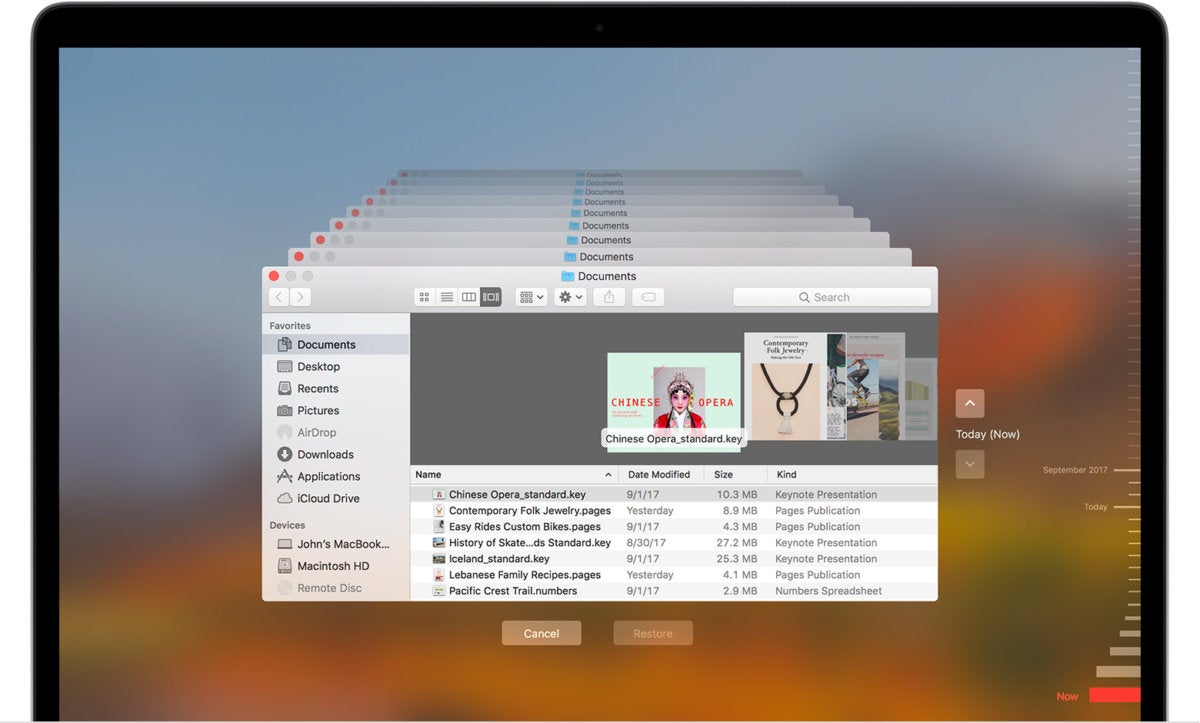
This is Apple’s method for restoring from the most recent backup. If you need an earlier backup to restore, to, simply open the Time Machine app and choose the backup you want to boot from. You can scroll through a list, and the right side of the screen has a timeline feature in the event you’re trying to reboot to a more narrow timeframe.
A failing of Time Machine is you lack granular control. There’s no way to really define the files or folders you want to back up, and you can’t define a backup schedule that works for you. Instead, Get Backup Pro may be the better solution for you.
Get Backup Pro allows you to customize the backup schedule that works for you. If you’d rather have a weekly backup on Friday night after your work week is done, it can handle that. You’re also provided a lot more control over the files and folders included in your backup; maybe you aren’t worried about things backed up to iCloud, or Google Drive which are duplicated on your machine. Perhaps you would rather your important documents folders be what’s saved; Get Backup Pro can do it!
It also compresses backups to a really small size, which speeds up the backup process by quite a bit – especially if you define the items you want backed up.
Additional tip: How to Speed Up your Mac
In addition to files, folders, apps, and things you interact with daily, Mac backups also include things like settings for apps, the system, and even browser history. Those all add up to a whole bunch of garbage cluttering your system.
This is where CleanMyMac X shines. The app pokes through your Mac to ensure all of your settings are optimized, the file system is well organized, and unnecessary stuff like browser cookies and mail attachments are disposed of when appropriate. It runs on a schedule, and allows you some deep granular control over which settings and systems are optimized. Run CleanMyMac X on a routine schedule, and you know all of your backups will help your Mac run smooth after you boot to them.
Conclusion
Backing your Mac up is really important; everyone should do it on a routine basis. Time Machine is a great option, but also very basic. It can be time consuming when you’re restoring from a backup, too.
Time Machine Backup Mac
Many may prefer Get Backup Pro, which allows for a lot more control, and compresses backups far more than Time Machine. When used with CleanMyMac X, you’ll always know your backups are clean, organized, and free of any weird settings or bloatware you forgot about.
Those trying to use Time Machine to recover lost files should try Disk Drive first. More often than not, you’ll find your files quickly with Disk Drive, saving you a ton of time with backups.
All three of these apps are available for free as part of a seven day trial of Setapp, the world’s best suite of productivity apps for your Mac. When your trial is through, continued unlimited access to the full Setapp catalog of nearly 200 Mac apps is only $9.99 per month, or $19.99 for families with up to four Macs. What are you waiting for? Give Setapp a try today!
Meantime, prepare for all the awesome things you can do with Setapp.
Read onTime Machine For Macbook
Sign Up